
Developing and Sustaining a Healthy Lifestyle as We Move Into 2026
- Harry King
- Dec 29, 2025
- 5 min read

As we move into 2026, many people find themselves reflecting on their health with a mixture of hope and frustration. Hope that this year will be different—and frustration because previous attempts often started strong and faded quickly. The cycle is familiar: motivation peaks at the beginning of the year, routines shift for a few weeks, and then life gradually pulls attention elsewhere.
The problem isn’t effort. It isn’t desire. And it usually isn’t discipline.
The real challenge is that most people approach health as a short-term project instead of a long-term lifestyle. Sustainable health is not built through temporary intensity or rigid rules. It is developed through consistency, structure, and habits that fit into real life—through busy schedules, stress, family responsibilities, and inevitable changes.
A healthy lifestyle is not something you “complete.” It is something you practice.
As we step into 2026, the opportunity is not to chase perfection, but to build a foundation that supports your body, your mind, and your overall well-being for years to come.
Redefining What a Healthy Lifestyle Actually Means
One of the most important steps in developing lasting health is redefining what “healthy” actually means. Too often, health is portrayed as an extreme state—constant workouts, flawless nutrition, and relentless discipline. While these images can be motivating in the short term, they are rarely sustainable.
A healthy lifestyle is not about doing everything right. It is about doing the right things consistently enough to support your long-term well-being.
Health should feel supportive, not oppressive. It should enhance your life, not compete with it. When your health habits align with your schedule, your responsibilities, and your energy levels, they stop feeling fragile and start becoming dependable.
Rather than asking whether a plan is impressive, a better question is whether it is livable. Can you maintain it when work becomes demanding? Can you follow it when motivation is low? Can it adapt when life changes?
Sustainability—not intensity—is the true measure of a healthy lifestyle.
Consistency Over Motivation
Motivation is often treated as the engine of success, but in reality, motivation is unreliable. It rises and falls with sleep quality, stress, emotional state, and external pressures. A healthy lifestyle cannot depend on motivation alone.
Consistency, on the other hand, is built through structure.
People who sustain healthy habits over time rely on routines, accountability, and environments that make good choices easier. They don’t wait to feel motivated—they follow systems that carry them forward even on difficult days.
Instead of asking, “How motivated am I today?” a more productive question is, “What actions can I take consistently, even when life is busy or stressful?”
Consistency compounds. Small actions repeated week after week create momentum that no burst of motivation can replace.
Movement That Supports Long-Term Health
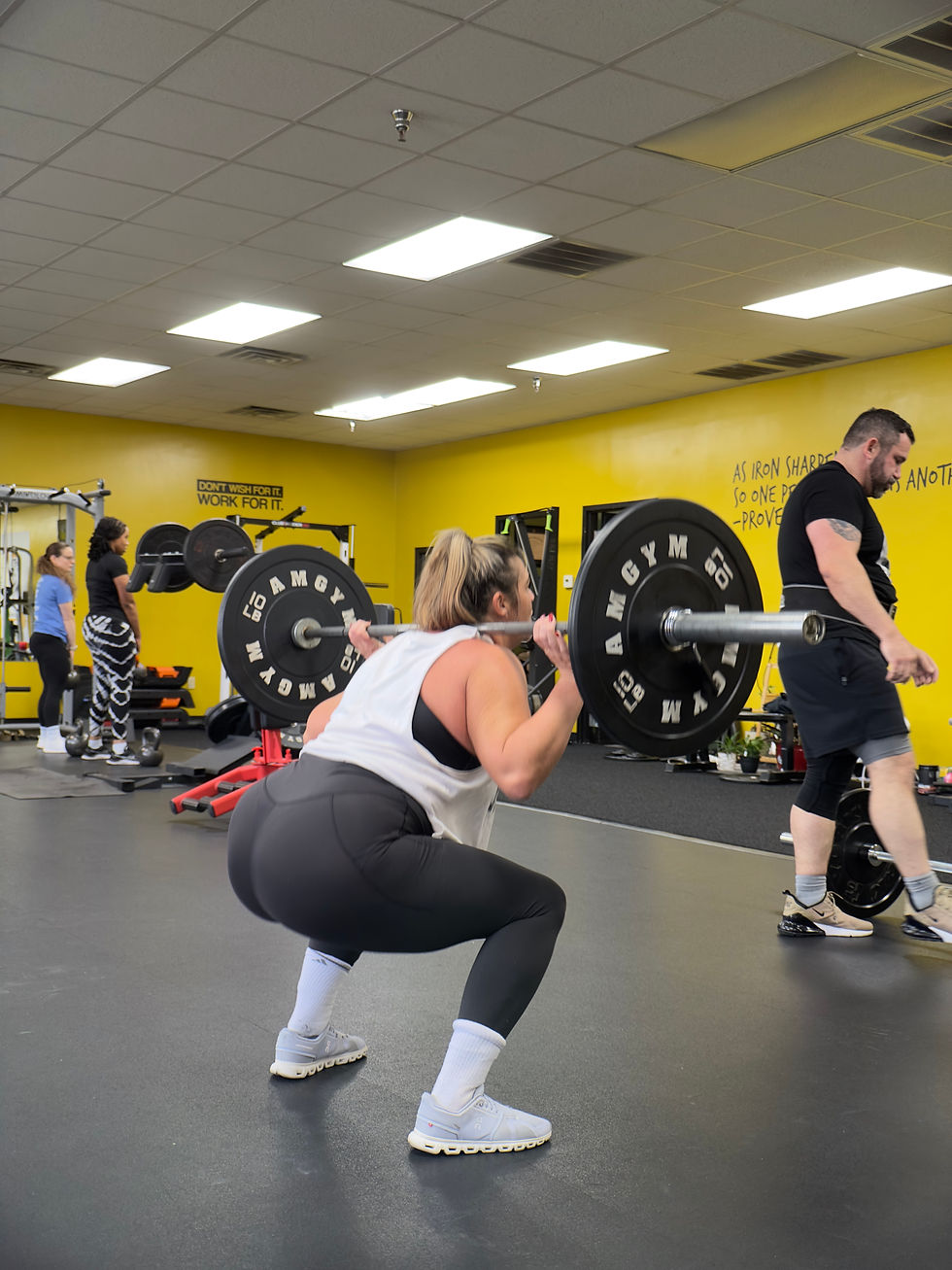
Exercise is a cornerstone of a healthy lifestyle, but sustainability depends on choosing movement that supports your life rather than overwhelms it.
Effective, sustainable movement includes a balance of:
Strength training
Cardiovascular conditioning
Mobility and recovery
Strength training is particularly important as we age. It supports bone density, joint health, posture, balance, and overall functional capacity. It also helps preserve muscle mass and metabolism, both of which naturally decline over time without intentional training.
Cardiovascular training supports heart health, endurance, and mental clarity. It doesn’t need to be extreme to be effective. Walking, cycling, rowing, boxing, and interval-based classes can all contribute meaningfully when programmed appropriately.
Mobility and recovery work protect the body and allow training to continue without unnecessary setbacks. Stretching, controlled movement, and rest days are not optional extras—they are essential components of long-term progress.
The goal of movement is not exhaustion. It is capacity—the ability to move, work, and live well across decades.
Nutrition as Support, Not Control
Nutrition is one of the most misunderstood aspects of health. Many people approach eating from a place of restriction, guilt, or fear of “messing up.” This mindset often leads to inconsistency and burnout.
Sustainable nutrition is not about control—it is about support.
Healthy eating patterns focus on nourishment, energy, and recovery rather than perfection. They are flexible enough to accommodate real life while still providing structure.
Key principles of sustainable nutrition include:
Eating regular meals
Prioritizing protein intake
Including whole foods most of the time
Staying hydrated
Allowing flexibility without guilt
Rather than asking what foods to eliminate, a more productive approach is to focus on what your body needs to function well. When nutrition supports your energy levels, training, and mental clarity, it becomes a tool—not a source of stress.
Recovery Is Not Optional
Recovery is often overlooked, yet it plays a critical role in sustaining a healthy lifestyle. Without adequate recovery, progress stalls, injuries increase, and motivation declines.
Recovery includes:
Quality sleep
Rest days
Mobility work
Stress management
Proper fueling
Sleep, in particular, is one of the most powerful health tools available. It affects hormone regulation, cognitive function, mood, and physical recovery. No training program can compensate for chronic sleep deprivation.
A healthy lifestyle respects the balance between effort and restoration. Training harder does not always mean training better. The ability to recover well allows you to remain consistent over time—which is where real results are built.
Environment and Community Matter More Than Willpower
Your environment plays a major role in shaping your habits. Willpower is finite, but supportive environments reduce the need for constant self-control.
A supportive health environment includes:
Spaces where you feel welcomed and encouraged
Coaches or guides who provide structure and accountability
Communities that value progress over perfection
When health is embedded in a supportive environment, consistency becomes easier. Accountability feels encouraging rather than punitive. Momentum builds naturally.
Health is rarely sustained in isolation. People thrive when they feel supported, understood, and connected.
Accountability Without Shame
Accountability is often misunderstood as pressure or punishment. In reality, healthy accountability provides clarity and support.
Effective accountability helps you:
Stay honest with yourself
Adjust when circumstances change
Maintain momentum during difficult seasons
Progress is rarely linear. Life will interrupt even the best plans. Accountability ensures that setbacks become opportunities to recalibrate rather than reasons to quit.
When accountability is rooted in encouragement rather than shame, it becomes a powerful tool for long-term growth.
Focusing on Long-Term Health Over Short-Term Results
Short-term results can be motivating, but they are not the foundation of a healthy lifestyle. When health is measured only by appearance or the scale, motivation becomes fragile.
Long-term health is reflected in:
Energy levels
Strength and mobility
Mental resilience
Quality of sleep
Ability to manage stress
When progress is evaluated through multiple lenses, motivation becomes more stable. Health becomes something you experience daily—not just something you chase.
Health Evolves With the Seasons of Life
A sustainable lifestyle adapts as life changes. Work demands increase. Family responsibilities shift. Stress levels fluctuate.
Health is not about maintaining the same routine forever—it is about maintaining engagement through change. The ability to adjust without abandoning your habits entirely is what separates short-term success from long-term sustainability.
Flexibility is not weakness. It is resilience.
Stepping Into 2026 With Intention
As you move into 2026, the most important question is not how hard you can push, but what you can sustain.
A healthy lifestyle is built through:
Consistent movement
Balanced nutrition
Adequate recovery
Supportive environments
Realistic expectations
When these elements work together, health stops feeling like a constant restart and becomes a stable part of your life.
Final Reflection
The most effective health plan is the one you can live with long-term.
If 2026 becomes the year you stop chasing perfection and start building consistency, the benefits will extend far beyond physical results. You will develop confidence, resilience, and habits that support you through every season of life.
That is what a truly healthy lifestyle looks like—and it is well within reach.


Comments