
You Don’t Need to Be at Max Heart Rate to Get a Great Workout

Why Training Across Heart Rate Zones Leads to Better Results
For years, mainstream fitness culture has pushed a powerful but incomplete narrative: if your heart rate isn’t through the roof and you’re not completely exhausted, the workout didn’t count. Sweat became the scoreboard. Breathlessness became proof of effectiveness. The harder you pushed, the better the workout was assumed to be.
This mindset has shaped everything from marketing to programming to how people judge their own effort. High intensity became synonymous with success. Anything less felt like wasted time.
But exercise science—and decades of real-world results—tell a different story.
The truth is this: you do not need to be at your maximum heart rate to get a great workout. In fact, consistently training at very high intensities can stall progress, increase injury risk, and shorten the lifespan of your fitness routine altogether. The most effective, sustainable training systems intentionally move through different heart rate zones, each designed to produce a specific physiological adaptation.
Understanding heart rate zones—and learning how to balance them—can fundamentally change how you train, recover, and progress over the long term.
Why the “All-Out” Mentality Took Over
The appeal of high-intensity training is easy to understand. It feels productive. It creates immediate feedback. You finish tired, sweaty, and out of breath, which signals that something meaningful must have happened.
High-intensity workouts also photograph and market well. They look exciting. They feel dramatic. They promise fast results in a culture that values speed and efficiency.
But the body doesn’t respond best to constant extremes.
Human physiology is built to adapt to varied stress, not relentless overload. When intensity never changes, the body stops adapting and instead shifts into survival mode. Stress hormones rise. Recovery slows. Movement quality declines. Motivation drops.
In short, the very thing people chase to get fitter—constant intensity—often becomes the thing that holds them back.
Understanding Heart Rate Zones (and What They Represent)
Heart rate zones are typically expressed as percentages of your maximum heart rate (HRmax). While exact numbers vary based on age, fitness level, and individual physiology, most training models use five general zones to categorize effort.
Each zone places a different demand on the cardiovascular system, muscles, and nervous system, producing different adaptations.
Zone 1: Very Light Intensity (50–60% HRmax)
This is the lowest intensity zone. Breathing is relaxed, movement feels easy, and conversation is effortless.
Physiological role:
Promotes blood flow without stress
Supports recovery and mobility
Helps regulate the nervous system
Zone 1 is often dismissed as “not real exercise,” but it plays a critical role in keeping the body resilient and ready for harder work.
Zone 2: Light to Moderate Intensity (60–70% HRmax)
Zone 2 is where breathing becomes more noticeable but remains controlled. You could still speak in full sentences, though you’re aware you’re exercising.
Why Zone 2 is so important:
Improves cardiovascular efficiency
Builds aerobic capacity
Increases mitochondrial density (energy production)
Enhances fat metabolism
Improves recovery between harder sessions
Zone 2 is often called the foundation of endurance and long-term fitness. Many of the adaptations that allow you to tolerate higher intensity later are built here.
Zone 3: Moderate to Hard Intensity (70–80% HRmax)
In Zone 3, breathing is heavier and conversation becomes difficult. Effort feels challenging but still sustainable for moderate periods.
What Zone 3 does well:
Improves general conditioning
Bridges aerobic and anaerobic systems
Builds tolerance for sustained effort
This zone can be useful, but it’s also where many people unintentionally spend most of their training time—working hard, but not hard enough to maximize performance, and not easy enough to recover efficiently.
Zone 4: Hard Intensity (80–90% HRmax)
Zone 4 is high effort. Breathing is labored, focus is required, and work intervals are shorter and more structured.
Benefits of Zone 4:
Improves speed and power
Raises lactate threshold
Increases tolerance to discomfort
Enhances athletic performance
This zone is highly effective—but also demanding. It should be used intentionally, not constantly.
Zone 5: Max Effort (90–100% HRmax)
Zone 5 represents near-maximal or maximal effort. This zone is reserved for very short bursts, such as sprints or explosive movements.
Important reality:
Zone 5 cannot be sustained
It heavily taxes the nervous system
Overuse increases injury and burnout risk
Despite its dramatic appearance, even elite athletes spend very little total training time in this zone.
Why Training at Max Intensity All the Time Backfires
High-intensity training stimulates adaptation—but only when paired with adequate recovery. When intensity becomes constant, the body shifts from adaptation to compensation.
Common consequences include:
Chronic fatigue and soreness
Elevated stress hormones
Poor sleep quality
Increased injury risk
Mental burnout and loss of motivation
Rather than getting fitter, many people find themselves plateaued, frustrated, or forced to stop altogether.
The body thrives on variation, not punishment.
What a Balanced Training Week Really Looks Like
One of the most powerful mindset shifts in fitness is recognizing that not every workout should feel extreme. Progress is not about how hard you push on any given day—it’s about how well your body adapts over time.
A balanced training week distributes intensity intentionally, allowing the body to work hard, recover well, and continue improving.
2–3 Days in Zone 2 (60–70% HRmax): The Foundation
Zone 2 sessions often feel almost too manageable. These workouts might include steady cardio, controlled strength training, or longer conditioning sessions performed at a sustainable pace.
Why these days matter:
They improve heart efficiency
They increase endurance
They support recovery between harder sessions
They allow you to train more frequently without burnout
These workouts may not feel impressive in the moment, but over weeks and months they build the engine that supports everything else.
2–3 Days in Zones 4–5 (80–100% HRmax): Strategic Intensity
Yes—training in Zones 4–5 two to three times per week can be effective, when done correctly.
This approach works best when:
You already have a solid aerobic base
Sleep, nutrition, and stress management are prioritized
Not every high-intensity session is all-out
Sessions vary in duration, volume, and focus
Lower-intensity days remain truly low intensity
Not all high-intensity sessions should feel the same. One may focus on short explosive efforts (Zone 5), another on longer threshold intervals (Zone 4), and another on strength-based intensity with controlled rest.
The key is intentional variation, not repeated maximal effort.
Why Lower-Intensity Training Becomes Even More Important
When high-intensity sessions increase, Zone 2 training becomes non-negotiable. It is what allows the body to recover, adapt, and sustain effort over time.
Without enough low-intensity work:
Fatigue accumulates
Performance declines
Injury risk rises
Balance is what allows intensity to work—not what dilutes it.
1 Active Recovery or Mobility Day (Zone 1–Low Zone 2)
Active recovery days are designed to support adaptation, not test limits. These may include mobility work, stretching, yoga, or light movement.
Benefits include:
Improved circulation
Reduced stiffness and soreness
Lower mental fatigue
Better movement quality
Recovery is not passive—it’s productive.
1 Full Rest Day: The Non-Negotiable
A full rest day allows the nervous system and muscles to fully reset. This doesn’t mean total inactivity, but it does mean avoiding structured, demanding workouts.
Rest days:
Support muscle repair
Balance hormones
Restore motivation
Reduce injury risk
People who respect rest often train harder—and more effectively—when it matters.
The Psychological Benefits of Balanced Training
Training across zones doesn’t just benefit the body—it changes how people relate to exercise.
When every workout must be brutal, guilt often follows easier days. When balance is normalized, people learn that:
Effort has many forms
Progress is not linear
Consistency matters more than intensity
This mindset shift is one of the biggest predictors of long-term success.
Using Technology Wisely
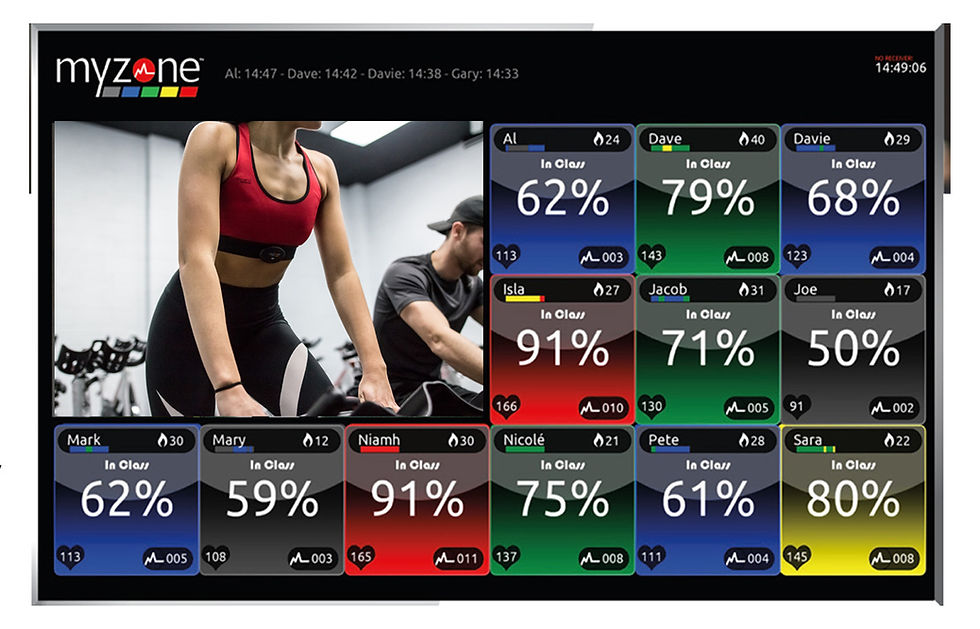
Heart rate monitors and fitness trackers can be powerful tools when used correctly. They provide feedback—not judgment.
The goal is not to chase numbers, but to understand intent:
Is today a recovery day or a challenge day?
Is intensity appropriate for the goal?
Is recovery being respected?
Data works best when paired with coaching and context.
Training for Longevity, Not Just Results
A good workout is not defined by exhaustion. It’s defined by whether it moves you closer to your long-term goals.
Training across heart rate zones:
Improves cardiovascular health
Builds strength and endurance
Reduces injury risk
Supports mental well-being
Encourages lifelong consistency
Final Thoughts
You don’t need to live at max heart rate to get results.
You need:
Intention
Balance
Consistency
Respect for recovery
Fitness is not about dominating your body. It’s about helping it adapt, grow, and perform over time.
The best training plans don’t break you down—they build you up.


Comments